
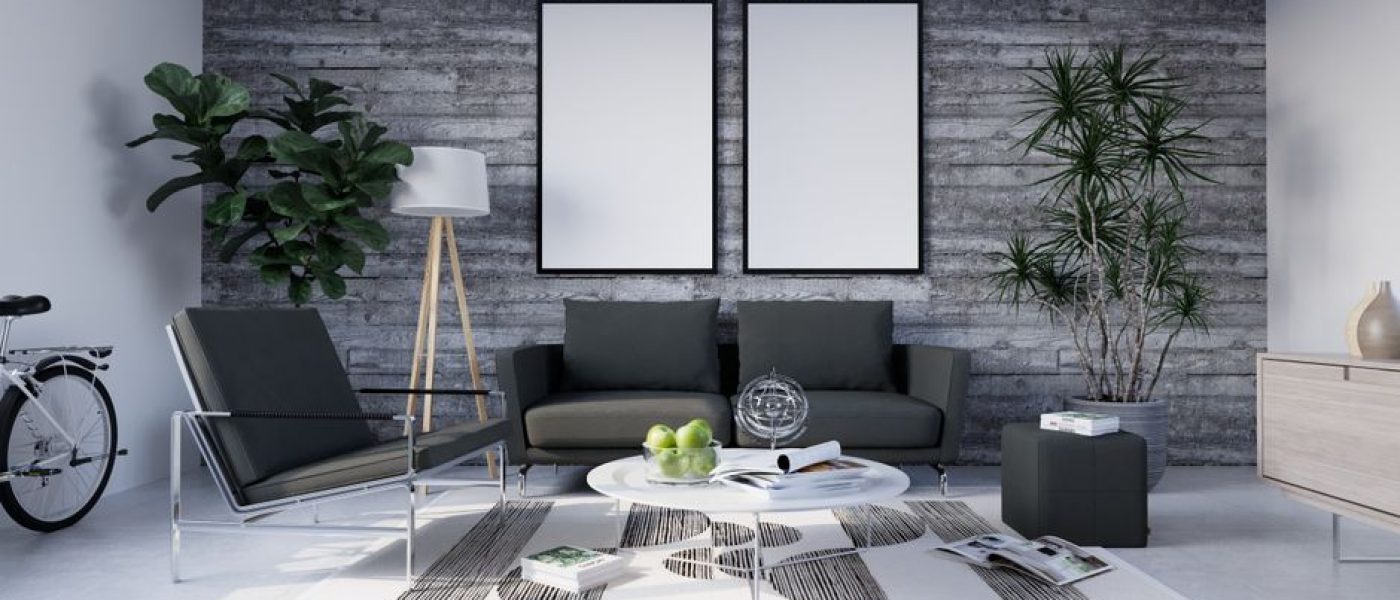
Area rugs are not just decorative pieces; they are functional elements that can transform small spaces into cozy, inviting areas. With the rise of e-commerce platforms like wovendelusions.com, consumers have access to a vast array of rugs that can enhance the aesthetic and utility of their homes. Understanding how to effectively use area rugs in small spaces can significantly impact the overall ambiance and functionality of a room.
Defining Zones in Open Spaces
One of the most effective ways to utilize area rugs in small spaces is by defining zones within an open floor plan. For instance, in a studio apartment, a well-placed rug can delineate the living area from the sleeping area, creating a sense of separation without the need for walls. This not only enhances the visual appeal but also improves the functionality of the space, allowing for distinct activities to occur in each zone.
According to recent market statistics, 65% of consumers believe that area rugs help in organizing their living spaces. By strategically placing rugs, homeowners can create a more structured environment, making small areas feel larger and more organized. The right rug can also anchor furniture, providing a cohesive look that ties the room together.
Adding Warmth and Texture
In small spaces, adding warmth and texture is crucial for creating an inviting atmosphere. Area rugs can introduce different materials and patterns that enhance the overall design of a room. For example, a plush shag rug can add softness underfoot, while a woven jute rug can bring in a natural, earthy element. These textures not only make the space feel more comfortable but also add depth to the decor.
Key Insight: The global area rug market was valued at approximately $12 billion in 2021, with a projected growth rate of 5% annually. This indicates a growing consumer interest in home decor, particularly in how elements like rugs can enhance small spaces. By choosing the right textures, homeowners can elevate their interiors, making them feel more personalized and inviting.
Color and Pattern Play
Color and pattern play a significant role in how area rugs can influence the perception of space. In small rooms, lighter colors can create an illusion of openness, while bold patterns can add character and interest. For instance, a light-colored rug with a subtle pattern can brighten a small room, making it feel airy and spacious. Conversely, a vibrant, patterned rug can serve as a focal point, drawing the eye and creating a lively atmosphere.
Moreover, the choice of color can affect mood and ambiance. Studies show that colors can evoke emotional responses, and using area rugs to introduce specific hues can enhance the desired atmosphere in a small space. Whether aiming for a calming retreat or a vibrant gathering spot, the right rug can significantly influence the overall feel of the room.
Layering Rugs for Depth
Layering rugs is an innovative technique that can add depth and dimension to small spaces. By placing a smaller rug on top of a larger one, homeowners can create a unique visual effect that enhances the room’s design. This method not only adds interest but also allows for the mixing of textures and patterns, which can be particularly appealing in eclectic decor styles.
Layering also provides practical benefits, such as increased comfort and warmth. In colder climates, a layered rug setup can help insulate the floor, making the space more comfortable during winter months. Additionally, this technique allows for greater flexibility in design, as homeowners can easily switch out the top rug to refresh the look without needing to replace the larger base rug.
Practical Considerations for Small Spaces
When selecting area rugs for small spaces, practicality should not be overlooked. Choosing rugs that are easy to clean and maintain is essential, especially in high-traffic areas. Materials such as synthetic fibers or indoor-outdoor rugs can offer durability and ease of care, making them ideal for small living spaces where spills and stains are more likely to occur.
Furthermore, considering the size and shape of the rug is crucial. A rug that is too small can make a space feel disjointed, while one that is too large can overwhelm it. The ideal rug should fit comfortably under furniture, creating a cohesive look that enhances the overall design of the room. By taking these practical considerations into account, homeowners can select area rugs that not only look great but also serve their functional needs.